
Whether you’re a fan of Portuguese wine or not, there’s simply no denying that wine hailing from Madeira is some of the finest quality wine in the world.
As the legend goes, Madeira wine went almost unheard of (except for the locals, of course) until the 15th century. Or, at least, that’s how the story goes!
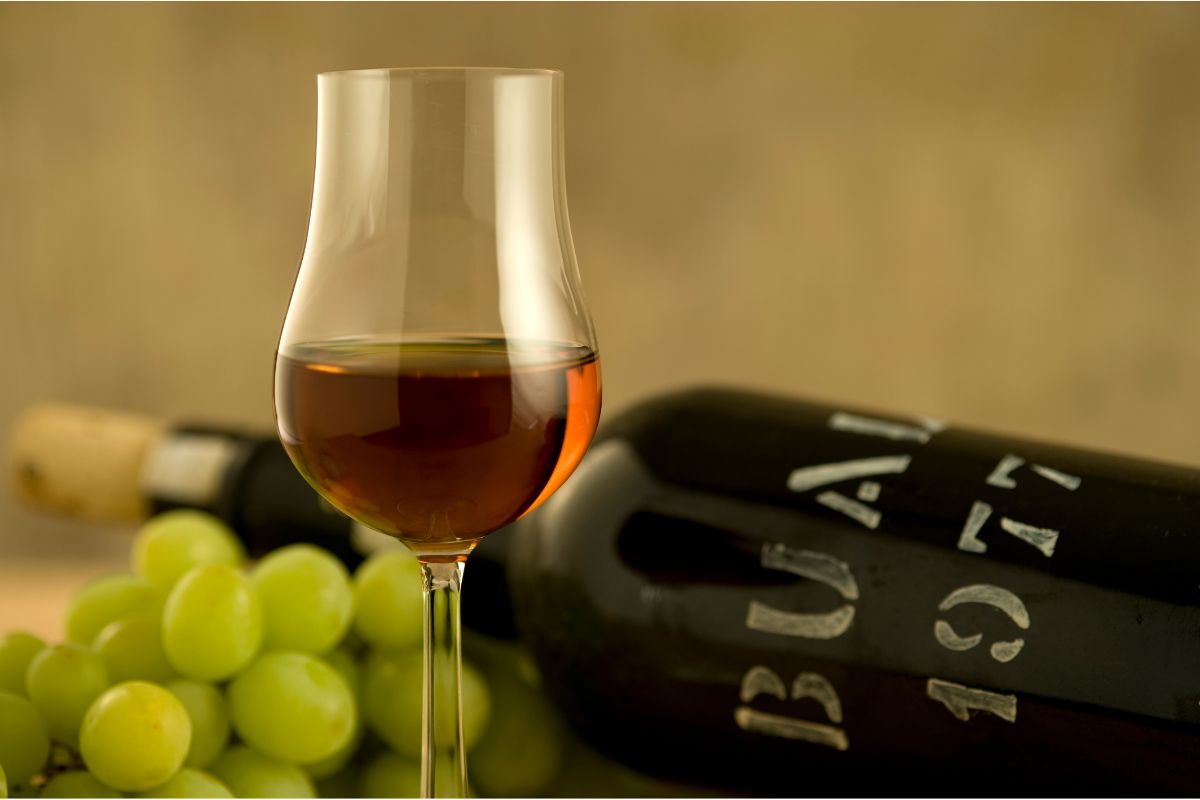
In this post, we are going to be taking a deep dive look into Madeira wine.
We are going to be discovering all of the different types of Madeira wine that you can get from this region of Portugal, as well as provide you with additional information about this wine, including the history of how Meidra wine came to be.
Whenever you’re ready, just keep on reading to discover all you need to know. Scroll on!
Why Is Madeira Wine So Popular?
If you’re not overly familiar with Portugal, Madeira is a small island that lies right on the edge of the Atlantic Ocean.
Even though Lisbon is one of the most well-known parts of Portugal, Madeira is located just over 400 miles away from the capital, which makes it one of the more tranquil and relaxed parts of Portugal, especially considering that it’s an island!
Many years ago, Madeira was an important refueling port for ships passing through the Atlantic Ocean on old trading routes.
When docked on the island to refuel, it was common for Madeira wine to be taken aboard the ships as small victuals to enjoy during the grueling sea voyages that could take many months to complete.
Fun fact: It was common for small amounts of brandy to be added to Madeira wine barrels taken aboard ships in order to maintain its taste, quality, and flavor for a longer period of time.
This makes sense, as voyagers of the sea would often spend long months at sea.
While aboard these ships that passed through Madeira to refuel, the wine barrels would often be kept in the heart of the ship’s hold, which typically tended to experience very high temperatures.
It was concluded that the temperature of the ship’s hold was able to dramatically improve the overall quality of the Madeira wines, as the heat was able to make the wines richer in taste, as well as far more complex than they originally were.
According to legend, this is how Madeira wines came to be so famous.
The fisherman and voyagers, after completing a long journey at sea, would return home and share the remaining Madeira wine with friends and family.
Thanks to the unique complexity and richness of the Madeira wine from the aging process aboard the ship, Madeira wine soon became one of the most sought-after wines in the world.
Still, given how rich the history of Madeira wine is, in our next section we are going to be taking the time to provide you with a short history of Madeira wine in the next section of this guide.
The History Of Madeira Wine
By now, we’re sure that you’re aware of the unique appeal of Madeira.
Besides being a small island located in the Atlantic Ocean (keep in mind, Madeira is not mainland Portugal) Madeira is also a volcanic island.
Along with being known as a tranquil island perfect for visiting if you’re in the mood to gain an authentic view of Portuguese culture and life, Madeira is also iconic for the fortified wine that goes by the same name.
As we briefly mentioned in the above section, Madeira was once a re-fuelling spot for many ships traveling down some of the old trade routes that are no longer used.
Due to this, casks of Madeira wine were quite typically used as a ballast for sailing ships that were bound for India, although ships headed to other destinations were also used.
During the journey, the casks of Madeira wine were typically kept in the heart of the ship which became very hot during the journey.
While there is no definite evidence to prove it, it is widely considered that the intense temperatures experienced during the long sea voyages were able to improve the taste of the Madeira wine by giving it a rich and more complex flavor than ever before.
Due to this way of maturing the flavor of the Madeira wine, this way of aging with the use of heat soon became common practice.
According to tradition, Madeira wine is typically aged via the famous “Canteiro” method, which you’ll be hearing more about a little further down in this guide.
To cut a long story short, the Canteiro method of aging wine is achieved by transferring the wines into wooden casks, before then being held in an environment that gets intense levels of heat.
Portugal is considered to be one of the best countries for its sunshine, so it should come as no surprise to hear that it is most common for Madeira wines to be aged following the Canteiro method to store the casked wine in a rooftop attic.
This is considered to offer the optimum environment for cask-aging Madeira wine, as it allows the blazing heat of the sun to heat the room to an optimum temperature.
The aging of Madeira wines can vary greatly depending on what type of wine is being aged. However, it is common for the cask aging process to take anywhere up to 40 years or even longer.
Regardless of the length of time spent aging the Madeira wine, all types of wine seem to share the similar characteristics of being fruity, rich, and complex with various different notes such as caramel.
But, what are all the different types of Madeira wines that you can enjoy? In the next section, we are going to be uncovering all of the most popular kinds that should be on your radar.
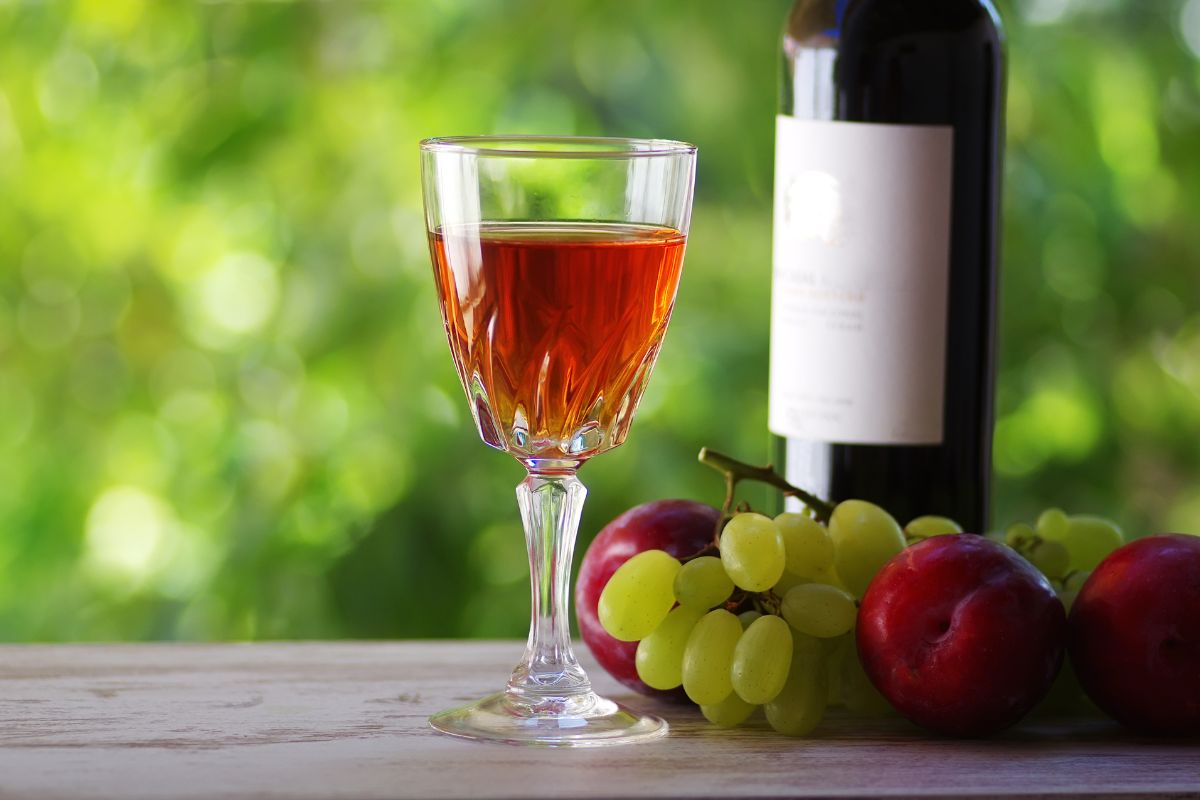
Madeira Wine Grape Varieties
Now that we have unraveled some of the legend behind Madeira wine (as well as sharing with you how this type of wine is made), we are now going to be sharing with you some of the best types that you should consider trying out next.
Here are some of the main varieties of wine that you can find from the small island of Madeira:
Sercial
The first wine that you can find from Madeira is a wine that goes by the name of Sercial.
This type of wine is typically grown on the furthest north side of the island, as this is considered to be the coolest area of Madeira island.
While there are vineyards located all across the island, the vineyards that Sercial wine grapes are grown at are in vineyards that reach upwards of 1,000 meters.
The grape that is used to make Sercial wine is the same type of grape that goes by the name of “esgana cao” which is the main grape grown in the mainland area of Portugal.
Given the heights in which these grapes are grown, Sercial can be one of the most difficult types of grapes to grow and harvest.
If you’re already somewhat familiar with these grapes, we’re sure that you might very well be aware of how difficult this type of grape is to make.
In fact, Sercial grapes are some of the most difficult grape varieties to ripen, which means that the wine that this grape variety makes tends to be very sharp, sour, and acidic.
However, with plenty of great cask aging and fortification, the good news is that Sercial grapes can make a very refined and dry wine, which is where this popular white wine comes from.
How to Enjoy: If you would like to try out this wine for yourself, many people find that Sercial wine is best paired with olives, roasted almonds and smoked salmon.
It can also be served as an aperitif prior to presenting a main meal in order to freshen the palette.
Verdelho
The next type of wine that comes from Madeira is the immensely popular Verdelho wine. This is another type of white grape that is grown on the northernmost side of Madeira island.
After growing these grapes, Verdelho grapes have the ability to produce a medium level dry and sweet white wine, which many people also state tends to have a slight caramel flavor.
As you might have already guessed by now, the Verdelho grape variety tends to produce wine that is far more mellow and sweet-flavored than Sercial grapes.
How to Enjoy: If you are planning on trying out this wine during your visit to Madeira, or you’re going to be purchasing some from your local liquor store to enjoy from home, many people find that Verdelho wine works best when served with foods such as ham, cheese, pates and more.
Bual
The next type of grape that is grown in vineyards in Madeira to create wine is Bual, which can also sometimes be referred to as Boal.
Bual is a type of white grape that is grown in warmer locations on the south coast of the island.
Unlike some of the other grape varieties that we have already mentioned on this list, Boal has the ability to create a dark, medium-rich raisin wine with slight hints of caramel.
This is all thanks to the higher levels of sugar that this grape variety from Madeira has, as well as its unique ability to retain its acidity levels more effectively than some of the other varieties that are grown on the northernmost parts of the island.
How to Enjoy: If you would like to enjoy Bual wine, it is best when it is served at room temperature, although if you prefer, you can serve Bual wine chilled.
As well as this, it is also considered that Bual wine tastes the best when it is paired with hard cheese, dried fruit, fruit tart, and even cakes.
Malmsey
The next type of grape variety that is produced in Madeira is Malmsey, which is otherwise known as Malvasia.
This white grape is typically produced in the warmer areas across the south of the island, particularly Camara de Lobos which is situated just to the west of Funchal.
However, in some instances, Malmsey grapes can sometimes be grown in some of the cooler vineyards located on the north of the island, but this is very rare.
Unlike some of the other types of grape varieties grown in Madeira to make wine, Malmsey grapes are considered to be one of the easiest grape varieties to grow and ripen.
After they have grown, ripened, and are ready to be harvested, Malmsey grapes are known for being able to produce a very rich and sweet wine, which means that it is best served as a dessert-style drink!
However, despite the sweetness of the wine that this grape variety is able to make, it is worth noting that the sweetness isn’t overpowering, as this wine also maintains its high level of acidity.
How to Enjoy: If you’re interested in trying this deliciously sweet wine out next time you’re visiting Portugal (or you’d simply like to purchase some to enjoy from the comfort of your own home) then you should make sure that you are serving this wine at room temperature.
As well as this, it is also recommended that you pair this wine with chocolate, cake, fruit, coffee desserts, or just about any other type of dessert.

Tinta Negra
If you’re a fan of red wine, then we think that you’re going to want to make sure that this red wine is on your radar!
Tinta Negra, as you might have already been able to guess, is a type of red grape that is planted across many vineyards throughout the island.
In other words, unlike some of the other grape varieties that we have shared in this list so far, Tinta Negra is a highly resilient grape variety that can grow in many different weather conditions.
However, despite its ability to grow easily, it is worth noting that Tinta Negra rarely tends to have the same level of quality and richness of flavor as the other four grapes we have already talked about above.
Still, despite the fact that Tinta Negra tends to produce a wine that is of a lower quality than the other grape varieties we have shared above, it is still a very nice red wine that can be enjoyed on its own, as an aperitif or even along with a main meal.
How to Enjoy: Where Tinta Negra wine might be lacking in quality, it certainly makes up for in versatility.
There are plenty of different ways that you can enjoy this red wine, including on its own, as an aperitif or even paired with a main meal.
Additionally, it is worth noting that this red wine is best served at room temperature, which is the standard for most red wines.
Terrantez
Terrantez is a type of white grape that was once grown in abundance across the Portuguese island of Madeira.
At the present moment, it is currently scarcely grown, however, there are currently some re-planting measures being undertaken to help boost the amount of Terrantez white grapes available to make into wine. At the moment, the yields are reported to be quite low.
Due to this growing issue, many growers and vineyard owners have been reluctant to attempt to keep growing this white grape variety, which means that it can be difficult to find.
However, Terrantez wine is known to be very delicious, with a complex flavor profile that can range from dry all the way to very rich.
If you would like to try out Terrantez, unfortunately, at the moment this particular type of wine is extremely hard to come by due to the scarce amount of Terrantez grapes grown.
While there are plans for this type of grape to be grown in higher amounts in the future (re-planting is currently happening) this is expected to take a little while.
How to Enjoy: If you are planning on visiting the beautiful island of Madeira, or even the mainland area of Portugal, then you should be able to find Terrantez wine at local restaurants, bars, vintages or even in soleras.
The flavor profile and texture can vary from dry to rich, which is something that you should keep in mind prior to trying.
More often than not, Terrantez wine is typically served at room temperature and paired with cheese boards, cold cut meat and olives.
Although, given the way that this type of wine can vary in flavor, depth and richness, we recommend asking the person serving you the wine what they recommend pairing it with.
Bastardo
If you’re someone that enjoys a glass of red wine but sometimes struggles to pair it with meals due to its dryness, then you might find that the wine that Bastardo grapes are able to make becomes a favorite in your wine collection.
Bastardo grapes stand out from the crowd because they are a type of red grape that is uncharacteristically sweet in nature.
Thanks to this, it means that Bastardo grapes have the ability to create a very sweet-tasting wine that isn’t too overpowering as it has the ability to retain acidity levels like some of the other grape varieties that we have mentioned.
In other words, besides being very sweet, this type of wine Bastardo grapes can create is also somewhat bitter, as well.
Unfortunately, similar to Terrantez wine, Bastardo grapes are relatively hard to grow. Due to this, it means that many growers who are still growing Bastardo grapes are finding that the grape yield is very low.
Due to this, many vineyards are reluctant to grow this particular grape variety as it seems to be just a little too difficult to grow.
How to Enjoy: If you would like to try out some of this wine for yourself, then it’s important to note that it is extremely hard to come by as it is a hard grape to grow.
On the other hand, there are still some vineyards that are growing Bastardo grapes, which means that you might be able to find some Bastardo wine being sold in local restaurants and bars in Madeira.
The Types Of Madeira Wine
If you have taken the time to read through the above section detailing some of the most commonly used grape varieties to create wine on the island of Madeira, we’re sure that you’ll have familiarized yourself with some of the different types of wine you can expect to get.
Still, despite this, it is also important to keep in mind that then names of the Madeira wines offered from Madeira will typically tend to contain a different name to the grape variety used to make it, which is why we are going to be sharing some of the main types of Madeira Wine that you should know about.
However, before we go ahead and do that, let’s first take a moment to uncover the types of ages you can expect the majority of wines from Madeira to be:
The Most Common Ages Of Madeira Wines
At the time of writing this guide, the most readily available wines are one of the following ages:
- 3 years old
- 5 years old
- 10 years old
- 15 years old
These ages are the most common lengths of time that wines are aged for prior to being released to the public.
Top Tip: If you are planning on trying out some of your favorite Madeira wine types from the roundup we’re going to be providing you with below, it’s a good idea to make sure that you are aware of what type of wine you are having, as well as the age of the wine.
While the way that this information can vary depending on manufacturer, you should typically be able to find the age and type of the wine on the label.
While it can vary from manufacturer to manufacturer, almost all Madeira wines are produced using the estufa system.
In addition to this, it is also worth noting that if the wine has been made from the first four grape varieties that we have listed in the above section, then this will be outlined on the label.
Wondering why this is? Well, the main reason for this is because these particular grape varieties are considered to be the classic Madeira grape varieties.
In addition to this, keep in mind that if there has been no grape variety mentioned on the label, then this will almost always mean that the grape used to make the wine has been grown from a common grape such as Tinta Negra.
In addition to that, you should also note that if you are planning to try a wine that doesn’t have the grape variety on the label, you should instead see some information regarding how sweet the wine is.
Usually, these types of wine are readily available throughout many bars and restaurants in Portugal, as well as available to buy in many other places of the world.
Due to the commonly–used grape varieties, these wines are also typically affordable.
Now that we have learned about the main types of ages you can expect, let’s check all of the Madeira wines readily available to buy (both in Portugal and the rest of the world) below:
Single Harvest Wine
The first type of Madeira wine that you can get is a single harvest wine.
This type of wine was first created and introduced by the famous, The Madeira Wine Company, and was described as being a wine that was created from a single vintage with a cask aging of at least 5 to 10 years following the Canteiro system.
Despite the 5 to 10 years timespan of cask aging, a single harvest wine cannot be considered a vintage wine because it is not given the required amount of time to undergo the cask aging process.
Colheita
This next variety of Madeira wine that is currently readily available to buy and enjoy is Colheita wine.
If a Madeira wine is considered to be Colheita, then this means that it is a single-vantage wine that has been given approximately 12 to 18 years of cask aging via the Canteiro system.
After it has completed its time spent undergoing the cask aging process, it is then bottled off and labeled as being a single vintage due to the way that top-quality vintage wines are only considered to be so if they have been given at least 20 years of cask aging.
Vintage
As you might be able to guess from the name, this type of Madeira wine is considered to be the finest quality wine offered from the island of Madeira.
A top quality wine, the single vintage wine offered from Madeira needs to have had at least 20 years of cask aging.
However, even though the minimum length of time required for a bottle of Madeira wine to be labeled as a single vintage wine, the majority of Madeira wines that fit into this category typically tend to get around 40 years or longer of cask aging via the Canteiro system.
Given the incredibly lengthy amount of time that the majority of single vintage Madeira wine gets, it means that these types of wine are typically the hardest to find.
However, as we’re sure that you might agree, these particular Madeira wines are incredible examples of wines that are able to retain their quality and freshness for many years to come before actually being opened.
As for the flavor of Madeira single vintage wines?
Well, these wines, despite being made from many different grape varieties from the section that we have mentioned above, these wines typically tend to share similar taste characteristics that set them apart from other types of wines you can get.
Let’s take a look:
- Caramel
- Toffee
- Marmalade
- Nuts
- Raisins
This rich and deep flavor profile Plus, it is common for Madeira’s single vintage wine to maintain its acidity despite the lengthy amount of time these wines are given to undergo the cask aging process.
Thanks to this, it means that, despite the incredibly old age of these vintage Madeira wines, they typically tend to have a very crisp and refreshing taste that prevents these types of wines from becoming overly heavy, cloying or sweet.
In other words, when opened up, single vintage Madeira wines can taste incredibly refreshing to the palette, which makes them great options for enjoying a meal to cleanse the palate.
In addition to being suitable for enjoying with a meal, you can also enjoy these wines as an aperitif, which is a type of drink (typically, it’s alcoholic) which is usually enjoyed prior to eating a three course meal in order to help refresh the palette.
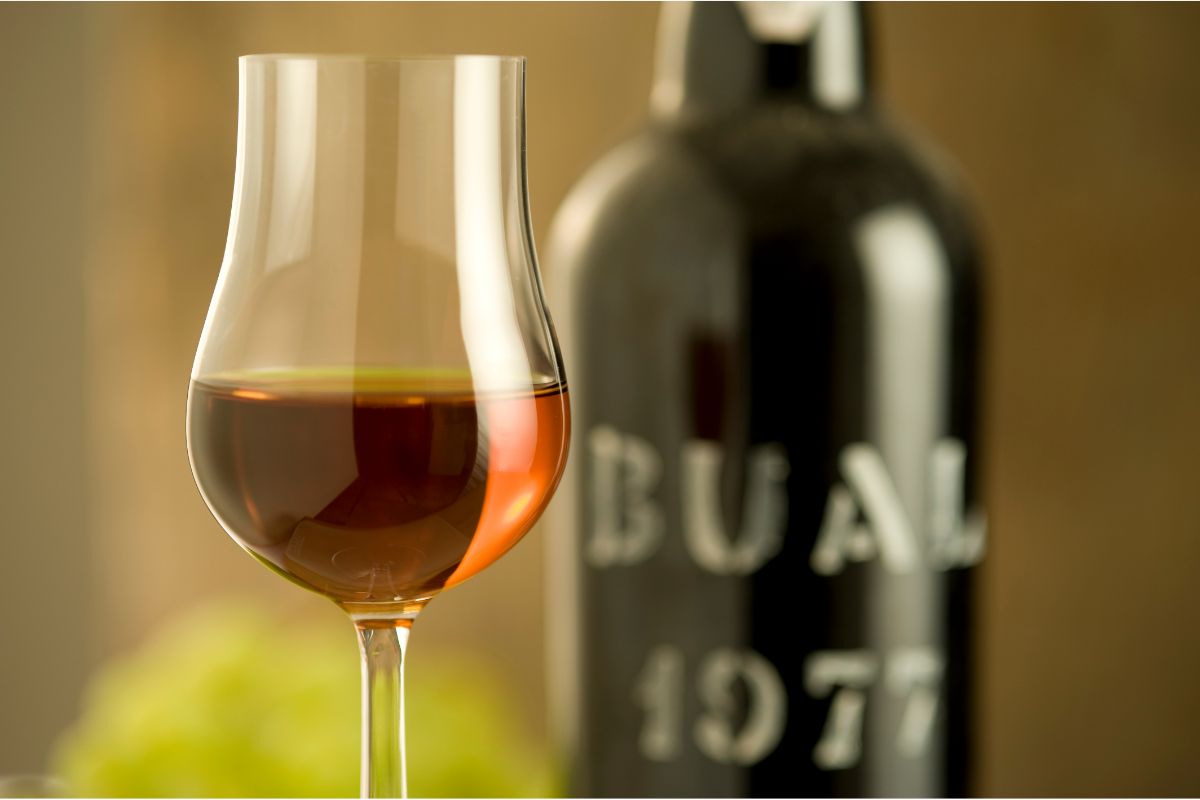
Madeira Wine Classic Food Pairings
All of Madeira island’s traditional grapes typically tend to reflect their names in the wines that they produce.
This includes all of the classic wine types that we have produced above, such as Sercial, Verdelho, Bual and Malvasia.
These four wines, as we have already briefly mentioned in a section above, are considered to be the “classic Madeira wines’ ‘ that you can get, and each tends to have a biting acidity taken from the volcanic soils that the grapes are grown in.
However, unlike some of the other types of Madeira wines that feature lower quality grapes, the classic four Madeira wines are able to offer a sweet, rich and complex flavor that won’t be too cloying thanks to acidity present when growing the grapes.
Sercial Food Pairings
First up, we have Sercial! Sercial is one of the classic Madeira wines and is known for its herbaceous and citrusy aromas which offers the perfect balance of both sweetness and acidity.
Unfortunately, as we have already briefly mentioned in a section above, this type of wine is slowly declining as grape harvests of this variety do not typically tend to garner high yields.
Due to this, a “true” Sercial wine is becoming increasingly harder to come by.
That being said, though, if you are lucky enough to come across this wine while visiting Portugal, it is best served along with a seafood dish.
As well as that, the lemony and herb-infused flavor profile of Sercial also pairs well with various other meats, and is also considered to taste great when paired with vegetable dishes.
Verdelho Food Pairings
Now, for Verdelho!
As you might already be aware by now, Verdelho wines tend to produce wine that is a lot richer and more concentrated in flavor than Sercial, as well as a little drier than Bual.
Verdelho wines are known for their instinctively smoky aromas that have distinctive caramel notes that lend this wine a subtle sweetness.
Verdelho also has a distinctive “velvet” texture that makes it smooth to drink, as well as a slightly spicy kick from the high levels of acid present in the wine from the volcanic soil used to grow the Verdelho grapes.
Unlike some of the other classic types of wine, this particular type of wine is considered to be the most versatile of all.
Thanks to this, you will be able to enjoy this wine paired with seafood dishes, meat dishes, vegetable dishes and even dessert dishes.
As well as this, thanks to the high levels of acid present in this wine, it also can be enjoyed as an aperitif, which is a drink that is typically enjoyed prior to eating a meal to refresh the palette.
Bual Food Pairings
As we have already briefly mentioned in a point above, the Boal grape variety is one of the only grape varieties grown in Madeira on the southernmost side of the island.
It is on the sweeter side, but it is not as sweet as Malvasia wine because it still tends to retain high levels of acidity from the volcanic soil that the grapes used to make the wine were grown in.
Due to this, if you are yet to try Bual wine, you can expect to enjoy a relatively sweet flavor profile that offers a rich complexity from the subtle bitterness from the acidity levels present in the wine.
Given this unique combination of sweetness and acidity, many people find Bual to be the most luxurious of the four classic Madeira wines.
If you would like to enjoy Bual wine, the classic food pairings are strong and rich cheeses, particularly mature cheeses that have a sharp and strong flavor.
The notes present in this sweet Madeira wine are notes, roasted coffee, figs, raisins, chocolate, and even roasted caramel!
Due to this, along with the wine, Bual wine also pairs well with sweet-tasting food, including desserts like ice cream, chocolate, and cakes or biscuits.
Malvasia Food Pairings
Last but certainly not least, the last classic grape variety used to make wine is Malvasia.
As we have mentioned in a previous point, this type of wine is considered to be the sweetest of all, and has a moreish aroma that consists of chocolate, caramel-roasted nuts, and fruit.
As you might have already been able to guess from that description, Malvasia wine is best paired with foods that are also sweet, like chocolate, ice creams, and cake.
However, many people also find that the sweetness of the Malvasia wine pairs very well with mature cheese.
A Note On Blended Madeira Wine
Before we wrap this guide up, ew first want to take a moment to talk you through blended Madeira wine, which has long been considered to be the most common Madeira wine grown, created and distributed on the island.
We briefly spoke about this wine earlier on in this guide, but we think that it will be helpful to provide you with some more information on this wine type, as it is currently considered to be the most readily available Madeira wine in Portugal.
Essentially, Blended Madeira wine is made from Negra Mole, which is a combination of both Grenache and Pinot Noir, which is also sometimes referred to as Tinta Negra Mole.
At the time of writing this guide, Blended Madeiras have replaced the four classic wine types to become the most widely grown variety available in Portugal, as well as the rest of the world.
This type of wine is created according to aging, which the most common ages used to make Blended Madeira wine being 3, 5, 10 and 15 years.
However, it is also becoming increasingly more common for vintage Blended Madeira wine to be offered, which requires an age of at least 20.
Even though you can still get the classic Madeira wines, it is worth keeping in mind that Blended Madeira wine is likely going to be the most common type of wine that you find yourself coming across, regardless of whether you are in Portugal itself (the island or the mainland) or purchasing some Madeira wine to keep at home and enjoy.
Plus, similar to the classic types of Madeira wine, it is common for all commercial Madeira (aka, Blended Madeira) to be classified by its sweetness and age, rather than what type of grape has been used to prepare the wine.
With that being said, you can always spot Blended Madeira wine if the label contains its age and sweetness level as opposed to what type of grape has been used to prepare the wine.
Final Thoughts
There we have it, you’ve made it to the end of our guide to Madeira wines.
Now that you have taken the time to read through all that we have talked about above, we hope that you have learned all you need to know about Madeira wines.
Regardless of whether you are planning to visit Madeira (or Portugal’s mainland) and want to enjoy some Madeira wine, or you’d simply like to purchase some for yourself, we hope this guide has helped you.
Bye for now!

I can offer you articles and information about wine from a seasoned sommelier, and now a winemaker too! I hope that you enjoy some of our articles, and start thinking outside of the box when it comes to wine.
- PinotDays.com Acquires MadeiraWineGuide.com - August 30, 2023
- Is pinot noir red or white? The definitive answer (finally) - August 11, 2023
- What the heck is white Pinot Noir? - August 11, 2023